Brackish water RO
Saline wells for irrigation and drinking water. Recovery is limited by scaling of calcium, sulphate and silica, not by pressure.
- Typical feed
- 2,000–10,000 mg/L
- Typical recovery
- 70–90 %

We design, build and run reverse-osmosis units for farms, villages, resorts and factories — from a single saline well to a coastal plant — with membranes from our partner Clariphex (Czech Republic).
Across Egypt’s new agricultural lands, more and more wells are too saline for crops or for drinking. On the Red Sea and Mediterranean coasts, resorts and communities depend on the sea. And industry needs water of a quality that local sources cannot give.
Reverse osmosis has become the first choice for all three: today more than 70 % of the world’s desalination capacity is RO, and the cost of membranes and of the energy behind them keeps falling — especially where the power comes from the sun.
We bring the full chain together: the water analysis and membrane projection, the high-pressure pumps, the solar power and the controls — and we stay for operation, cleaning and membrane replacement.
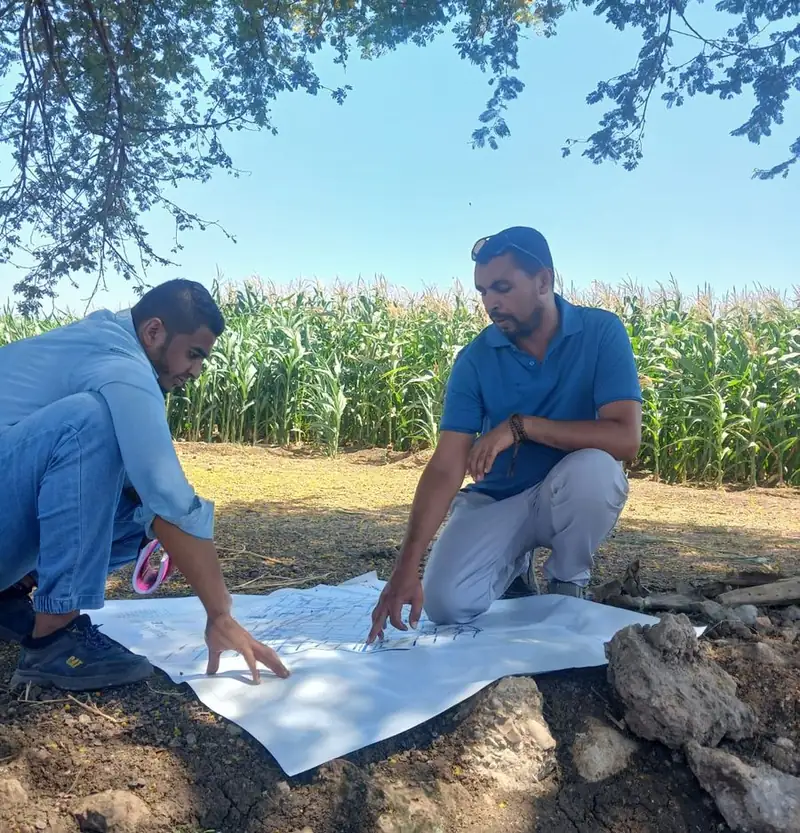
Each source needs its own membrane and its own design. These are the four families we work with.
Saline wells for irrigation and drinking water. Recovery is limited by scaling of calcium, sulphate and silica, not by pressure.
Coastal plants and beach wells. Only membranes with 99.3 % rejection or more make drinking water in one pass; energy recovery is almost always worth it.
Removes hardness, sulphate, colour and organics while keeping part of the minerals — at much lower pressure than RO.
Effluent recovery, brine concentration up to 290,000 ppm, acid recovery and hot-sanitised pharmaceutical and food systems.
Concentrate (brine) → safe disposal, evaporation ponds or ZLD
| Brackish water | Seawater | |
|---|---|---|
| Feed salinity | 2,000–10,000 mg/L | above 35,000 ppm |
| Osmotic pressure | ≈ 0.76 bar per 1,000 ppm | ≈ 24 bar (brine up to ≈ 41 bar) |
| Operating pressure | 10–20 bar typical | 55–70 bar |
| Recovery | 70–90 % | 35–45 % |
| Main limit | Scaling (Ca, SO₄, SiO₂) | Brine osmotic pressure |
| Pre-treatment | Cartridge filters, antiscalant | Media filtration or beach wells, antiscalant, disinfection |
| Energy recovery | Rarely needed | Almost always — up to 30 % saving |
Indicative ranges for design discussions; every plant is sized on its own water analysis.
Skid-mounted, containerised (mobile) or stationary plants from 10 to 5,000 m³/day; the container doubles as the shipping package.
Media and cartridge filtration, antiscalant and acid dosing designed on the full water analysis.
High-pressure pumps with variable-speed drives; energy recovery devices on seawater plants.
PV arrays and drives sized so the unit runs on sunshine — ideal for remote wells.
Built-in CIP system for membrane cleaning; UV disinfection to avoid chlorine and dechlorination steps.
PLC with an easy HMI, flow and conductivity metering, and remote monitoring; custom control on request.
PVC and PP on low-pressure lines, duplex stainless steel on high-pressure lines for long life in salt water.
Operator training, cleaning programmes, consumables and membrane replacement from stock.
Clariphex is a Czech company of engineers that manufactures RO, nanofiltration and special membranes based on advanced US thin-film composite technology. Every element is performance-tested — salt rejection, flux, pressure drop and mechanical integrity — and carries a unique code for full traceability.
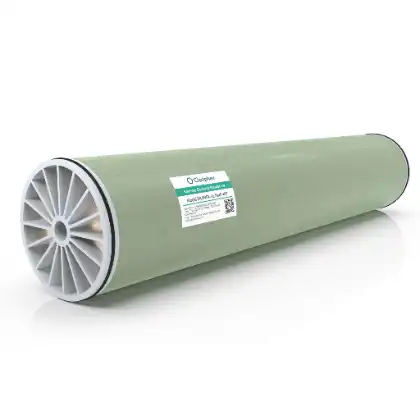 BRANEXBrackish water ROLow energy, fouling-resistant and high-rejection elements for wells and industry.
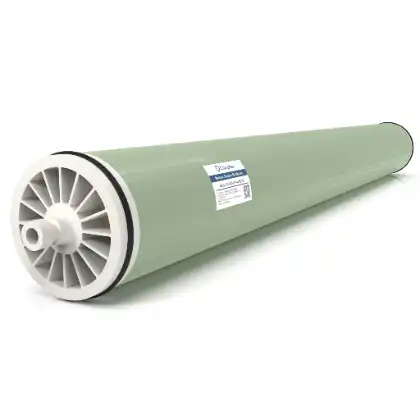 MARISSeawater ROHigh rejection and boron removal, with low-energy and fouling-resistant versions.
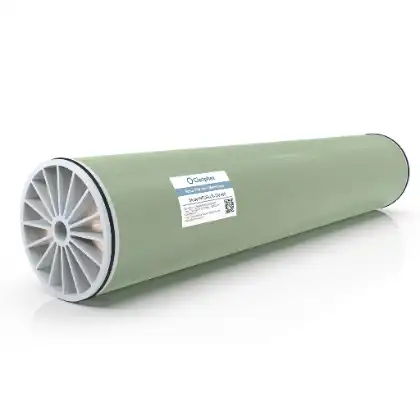 NEOFLUXNanofiltrationCut-offs of 90, 150, 280 and 500 Dalton for softening and separation.
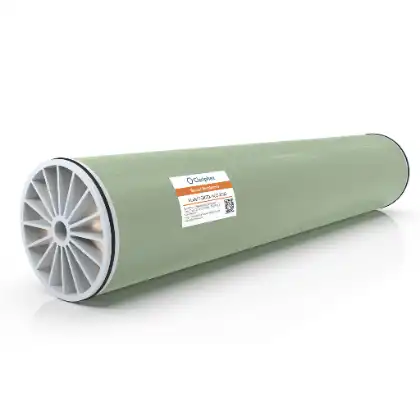 FORTEXWastewater & ZLDHigh-COD effluents and brine concentration to zero liquid discharge.
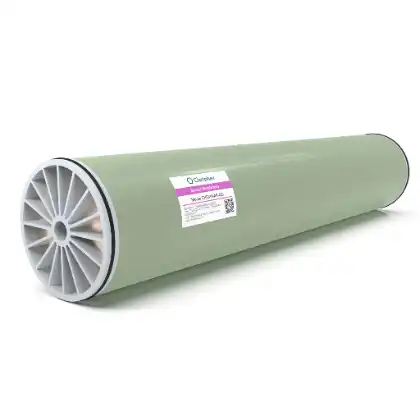 CHEMXAcids & high temperatureAcid recovery, metal separation and hot-sanitised systems.
Clariphex packaged desalination systems and their components follow:
A full chemical analysis of the water (TDS, hardness, silica, iron, manganese, sulphate and others), the daily volume and the quality you need. We then run a membrane projection and propose the unit.
Yes. We set the salinity for the crop and often blend RO water with raw water to reach the target at a lower cost per cubic metre.
Yes. Low-energy membranes such as BRANEX LE and XLE cut the pumping power, and we size the PV array and drives so the unit runs through daylight hours, with storage tanks for the rest of the day.
Depending on volume and site we design evaporation ponds, approved disposal or blending — and for industry, brine concentration with FORTEX membranes up to zero liquid discharge.
It depends on the feed water, pre-treatment and operation. Good pre-treatment and timely cleaning with the built-in CIP system are what keep membranes performing; we monitor normalised flow and plan cleaning and replacement.
Yes. We supply Clariphex elements for existing plants and can propose equivalents for elements already installed, based on your operating data.
We export this range from Egypt to projects throughout Africa — Sudan, Libya, Chad, Kenya, Ethiopia, Senegal, Côte d’Ivoire, Nigeria and beyond — with selection support, export documents and after-sales service.
Export to AfricaSend us your water analysis and the volume you need per day — our engineers will reply with a membrane projection and a budget proposal.